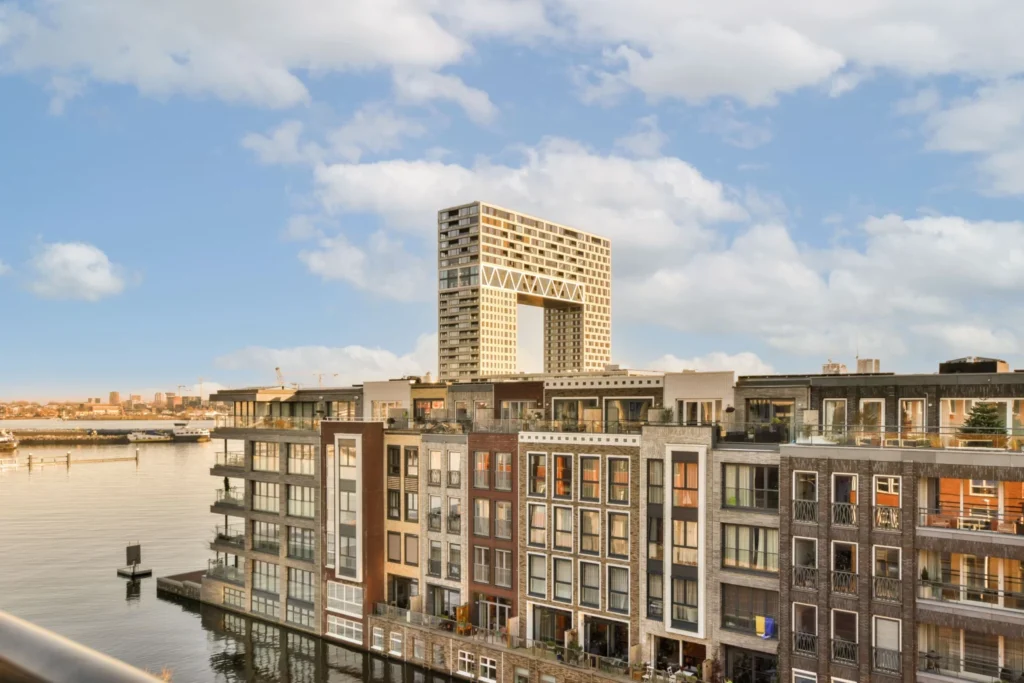
Renting in The Hague
The Hague is where Dutch politics meets international law. As the seat of government, home to the International Court of Justice and more than 100 embassies and consulates, the city draws diplomats, lawyers and civil servants from around the world. That international character extends well beyond the Binnenhof: Scheveningen puts a full North Sea coastline within cycling distance of the centre, and the mix of stately embassy quarters and relaxed beach neighbourhoods gives The Hague a rental market unlike any other Dutch city. RentSlam collects rental listings from across The Hague so you can act quickly in a market shaped by high international demand.
No stress
AI bots scan 1.000+ sites 24/7 so you don’t have to
Apply faster
Receive every matching rental within seconds
Rent sooner
Apply faster, get more viewings & move in sooner
No stress
AI bots scan 1.000+ sites 24/7 for you
Apply faster
Receive all matching rentals in seconds
Rent sooner
Get more viewings and move in sooner
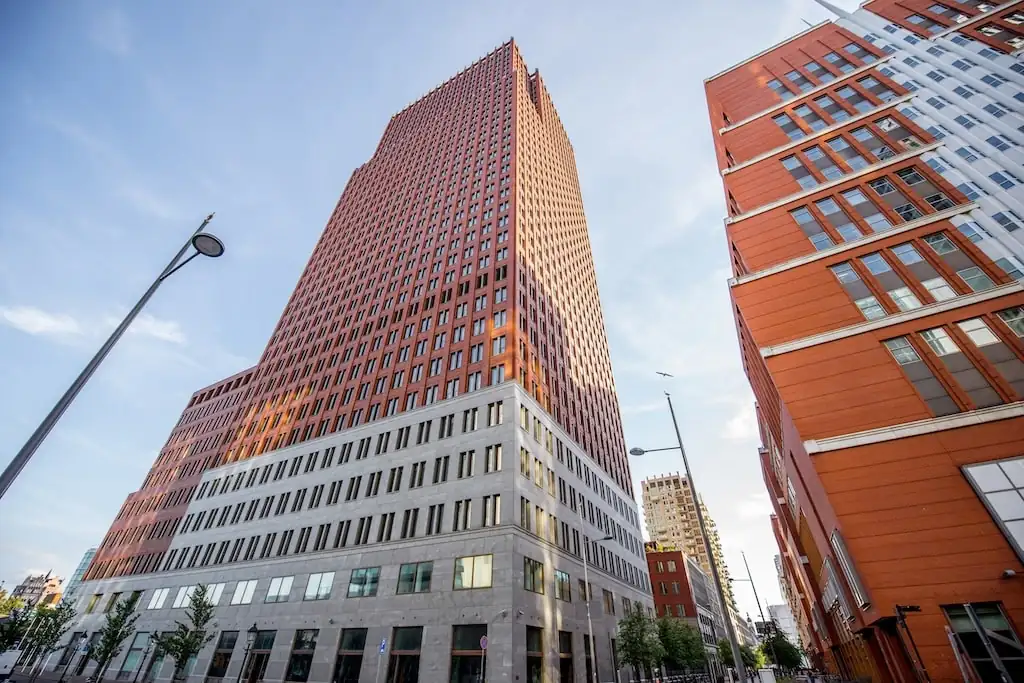
Renting a property in The Hague
The Hague is the seat of Dutch government, the international city of peace and justice, and the only major Dutch city on the coast. That combination makes The Hague unique on the rental market. The Binnenhof, the Peace Palace, the International Court of Justice (ICJ), and the International Criminal Court (ICC) draw diplomats, lawyers, and international civil servants from across the globe. At the same time, Scheveningen offers beach life within cycling distance of the centre. With over 550,000 residents, The Hague is the third-largest city in the Netherlands and one of the most cosmopolitan places in Europe.
The average rent per square metre in The Hague is EUR 21.52 (source: Rent.nl, Q1 2025). That places The Hague roughly 5% above the national average, yet still 15-20% below Amsterdam prices. Demand for rental housing in The Hague far outstrips supply: desirable properties are regularly let within days. The range is diverse: from grand townhouses in the Archipelbuurt to modern flats in Bezuidenhout, and from characterful maisonettes in the Zeeheldenkwartier to spacious family homes in the outer districts. With the beach a short cycle away and The Hague Central Station as an excellent public transport hub, the city genuinely offers the best of both worlds.
Types of rental properties in The Hague
The Hague offers many different rental properties. Here is an overview of what is available:
- Apartments: the most common property type in The Hague, from compact two-room flats in the centre to spacious penthouses in Scheveningen.
- Houses: family homes with a garden, mainly found in Bezuidenhout, Loosduinen, and the outer districts towards Leidschenveen.
- Rooms: shared accommodation near The Hague University of Applied Sciences, Leiden University Campus The Hague, and the city centre. Prices range from EUR 450 to 750 per month.
- Studios: self-contained units for one or two people, with rents ranging from EUR 800 to 1,300 per month.
- Social housing (sociale huur): for households with an income below the threshold. Waiting lists are long, particularly through housing corporations such as Vestia and Haag Wonen.
- Private-sector rentals (vrije sector): for middle and higher incomes. The rent is above the liberalisation threshold and you typically need a gross income of at least three times the monthly rent.
Neighbourhoods in The Hague: where do you want to live?
The Hague is a city of remarkable variety. The seven neighbourhoods below are the most relevant areas for renters: from the historic centre with the Binnenhof and the Passage to the boulevard of Scheveningen, from the diplomatic Archipelbuurt to the up-and-coming Laak. Each neighbourhood has its own character, price level, and typical residents. Below you will find what each area offers.
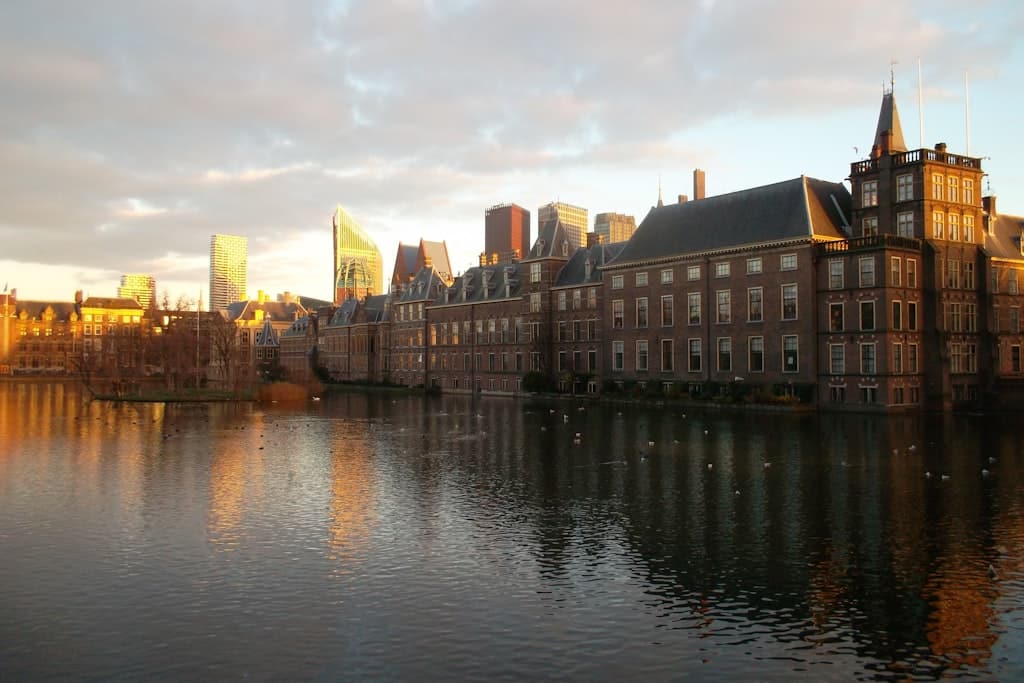
Renting in The Hague Centrum
The centre of The Hague is the political and cultural heart of the Netherlands. The Binnenhof with its Ridderzaal (Hall of Knights) — historically the meeting place of parliament (the Binnenhof is undergoing renovation until approximately 2030; parliament is temporarily meeting elsewhere) — forms the centrepiece. Surrounding it you will find the Mauritshuis (home to Vermeer’s Girl with a Pearl Earring), the Escher Museum in the former Lange Voorhout Palace, and the Passage — the oldest covered shopping arcade in the Netherlands, dating from 1885. The Hofvijver, the Plein, and the Lange Voorhout offer terraces and green space right in the heart of the city.
For renters, the centre provides a mix of upper-floor flats in listed buildings, renovated apartments, and some new-build developments around the Spui. The Grote Marktstraat and the shopping area around Venestraat supply daily amenities. Tram lines connect the centre with every part of the city. The neighbourhood attracts mainly young professionals, expats working at international organisations, and culture enthusiasts who want museums and nightlife on their doorstep.
Rent level: Highest | Suitable for: young professionals, expats, culture enthusiasts | Landmarks: Binnenhof, Mauritshuis, Escher Museum, Passage
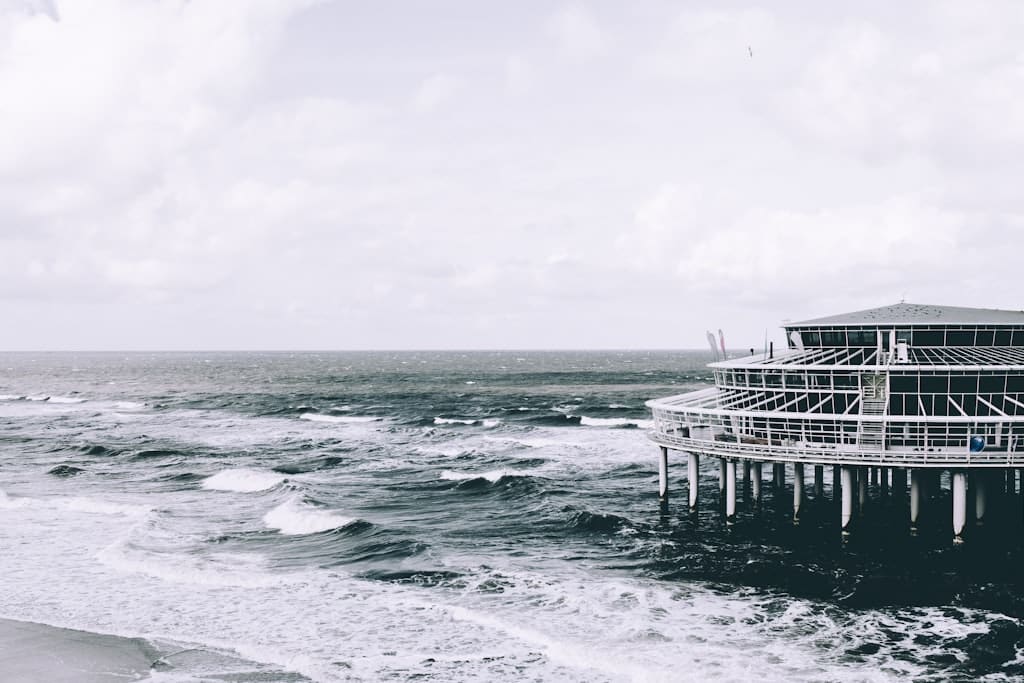
Renting in Scheveningen
Scheveningen is far more than a seaside resort: it is a full district with its own identity. The former fishing village around the Keizerstraat has kept its village character, with fishmongers and artisan shops that have been there for generations. The Scheveningen Pier stretches 382 metres into the North Sea, offering panoramic views. The Grand Hotel Amrath Kurhaus, opened in 1885, dominates the boulevard. Along the beach you will find surf schools, beach clubs, and the marina.
The housing stock in Scheveningen is remarkably diverse. Along the boulevard there are modern apartment complexes with sea views, typically in the higher segment. In Scheveningen Dorp you will find characterful workers’ cottages and renovated maisonettes. The harbour quarter is being developed with new residential towers. The Belgisch Park area, towards the Westbroekpark, offers quiet, leafy villa streets. Bear in mind that there are seasonal influences: in summer, tourists flock to the area, bringing vibrancy but also considerable crowds and parking pressure. Rents for apartments with sea views run 20-30% above The Hague average.
Renting in the Statenkwartier
The Statenkwartier is one of the most sought-after residential neighbourhoods in The Hague, and it shows at first glance. The broad Statenlaan and Frankenslag are lined with mature plane trees and stately townhouses, many built in an art-deco style. The Frederik Hendriklaan — known to locals as “De Fred” — is one of the finest shopping streets in the city, with specialist food shops, delicatessens, terrace cafes, and independent boutiques. Many embassies and diplomatic residences are located in this neighbourhood, reinforcing its international character.
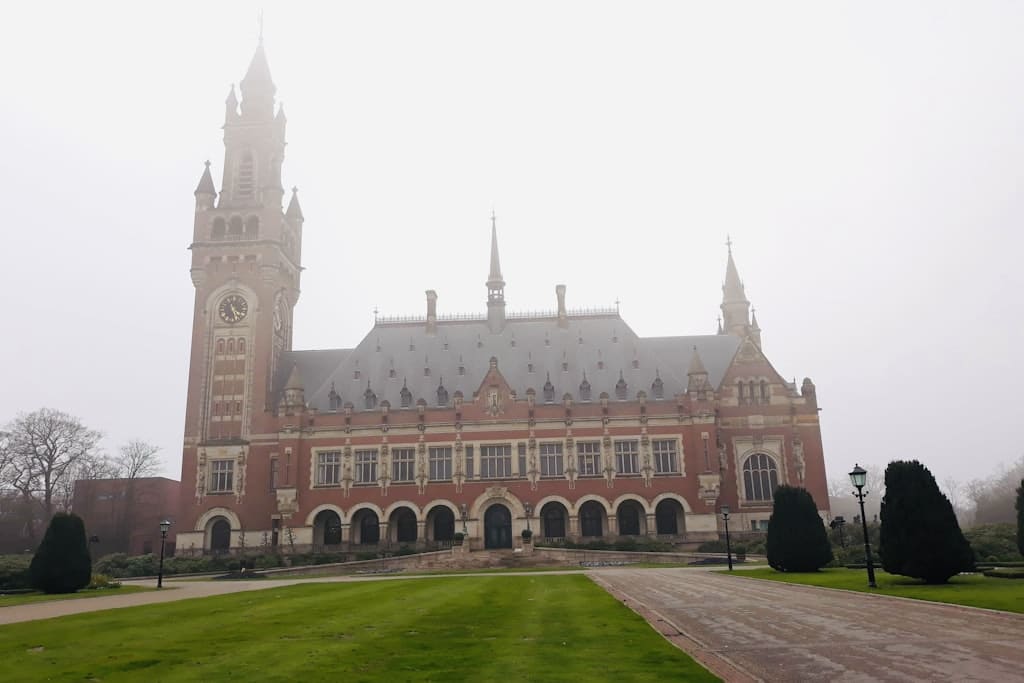
To the west lies the Scheveningse Bosjes, a wooded park that stretches all the way to the coast. The Peace Palace, seat of the International Court of Justice, borders the neighbourhood directly. Tenants in the Statenkwartier tend to be diplomatic families, expats working at international organisations, and well-established families. The properties are spacious: many townhouses of 120-200 m2 spread across several floors. If you are looking for a roomy home in a leafy, quiet setting with good connections, this is an excellent option — but it comes at a price.
Renting in the Archipelbuurt
The Archipelbuurt takes its name from streets named after islands in the former Dutch East Indies: Javastraat, Sumatrastraat, Borneostraat, and Balistraat. The neighbourhood was laid out in the late 19th century and the architecture reflects that era: grand townhouses with high ceilings, ornamental facades, and bay windows. The Bankastraat is the commercial heart, with restaurants, wine bars, and specialist shops that underscore the neighbourhood’s cosmopolitan character.
The Archipelbuurt borders the Haagse Bos, one of the oldest forests in the Netherlands and a popular spot for walking and running. The neighbourhood is particularly popular with international professionals, diplomatic staff, and families who value a peaceful, green living environment with a village-like feel. The Alexanderveld provides play space for children. Public transport is excellent: trams 1 and 9 connect the area with the centre and The Hague Central. The combination of 19th-century grandeur, international atmosphere, and proximity to green space makes the Archipelbuurt one of the most expensive but also most coveted rental neighbourhoods in The Hague.
Rent level: High | Suitable for: international professionals, families, diplomats | Landmarks: Bankastraat, Haagse Bos, Alexanderveld
Renting in the Zeeheldenkwartier
The Zeeheldenkwartier — named after Dutch naval heroes such as Piet Hein and Michiel de Ruyter — has transformed over the past decade from a modest working-class neighbourhood into one of the most desirable areas for young professionals and creative entrepreneurs. The Piet Heinstraat is the spine of the neighbourhood: a narrow shopping street packed with independent shops, speciality coffee bars, vintage stores, and bistros. The atmosphere is informal and entrepreneurial, with many freelancers and self-employed residents who live and work in the area.
The neighbourhood sits in a strategic position: within walking distance of both the city centre and the Westbroekpark, one of the finest parks in The Hague with a rose garden and views towards the sea. To the north it borders the Statenkwartier, to the south the Regentessekwartier. The housing stock consists mainly of characterful 19th-century maisonettes and upper-floor flats, more compact than in surrounding neighbourhoods but full of charm. The Zeeheldenkwartier offers a good balance between price and central location: rents are below Statenkwartier and Archipelbuurt levels, yet you live just as centrally.
Renting in Bezuidenhout
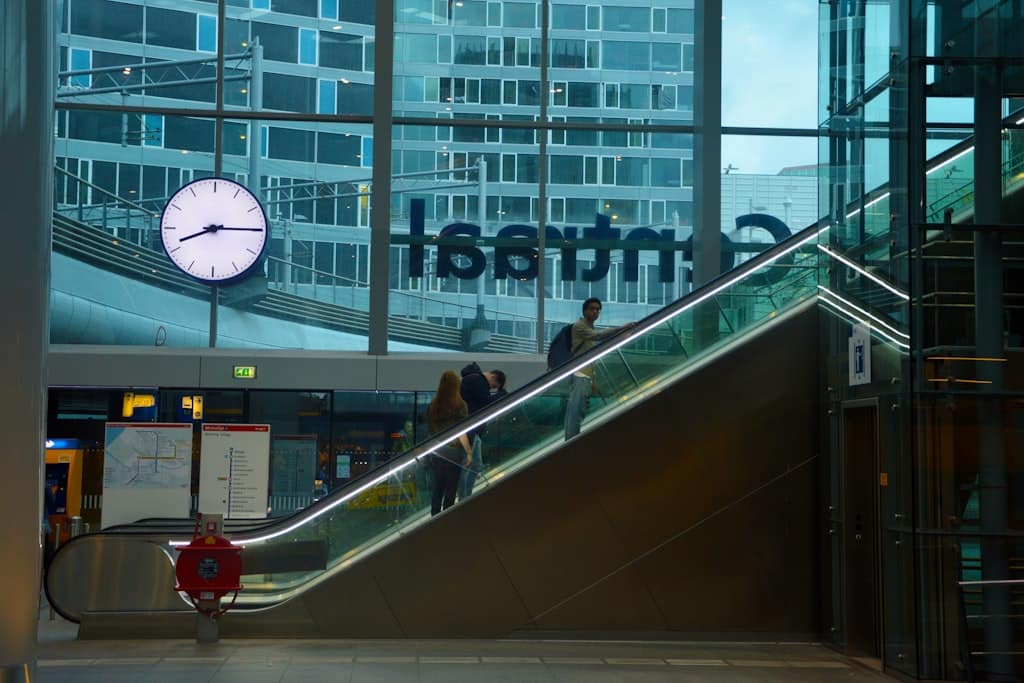
Bezuidenhout is the neighbourhood for those who prioritise transport links above all else. The Hague Central Station sits at the edge of the area, and the Beatrixkwartier — the largest office district in The Hague, home to employers such as T-Mobile, Nationale-Nederlanden, and the Social and Economic Council — is within walking distance. Trains to Amsterdam Central depart every 10 minutes, with a journey time of 50 minutes. Rotterdam is just 25 minutes away. The Haagse Bos, one of the oldest stretches of woodland in the Netherlands, forms the green lung of the neighbourhood.
The housing stock in Bezuidenhout is mixed. In Bezuidenhout-West you will find pre-war portico flats and townhouses, many renovated over the past decade. Bezuidenhout-Oost has more post-war construction and apartment blocks, with lower rents. The Beatrixkwartier itself offers modern flats in high-rise towers with views across the city. Supermarkets, schools, and GP surgeries are well represented. The neighbourhood attracts commuters, young professionals, and expats who appreciate the combination of workplace, transport hub, and green space. One caveat: properties close to the railway lines can experience some train noise, especially in Bezuidenhout-West.
Renting in Laak
Laak is the most affordable district in central The Hague and simultaneously the area undergoing the greatest change. The Hague Hollands Spoor station sits at the edge of the neighbourhood, with direct rail connections to Rotterdam (25 min), Delft (10 min), and Leiden (15 min). The Laakkwartier is a multicultural area with a wide selection of international supermarkets, restaurants, and shops. The atmosphere is lively and diverse, with more than 160 nationalities represented. In the interest of balance: Laak scores less well on safety statistics than other districts, particularly in the Laakkwartier area.
The most striking development in Laak is the Laakhaven transformation. This former industrial site is being converted into a complete new urban quarter with thousands of homes, including many mid-range rental flats. Residential towers are rising along the waterfront, and new amenities, cafes, and public spaces are being added. Spoorwijk, the oldest part of Laak, retains a working-class character with affordable portico flats. For renters on a tighter budget who still want to live centrally, Laak is the most logical choice. Rents are expected to rise in the coming years as the Laakhaven development progresses.
Rent level: Lower | Suitable for: first-time renters, budget-conscious tenants, young families | Landmarks: Hollands Spoor Station, Laakhaven (new-build), multicultural high street
What does it cost to rent in The Hague?
The average rent per square metre in The Hague is EUR 21.52 (source: Rent.nl, Q1 2025). That makes The Hague cheaper than Amsterdam (roughly EUR 25-27/m2) but more expensive than the national average. Prices have risen sharply in recent years, driven in part by strong demand from international workers and limited new construction. Costs vary considerably by neighbourhood and property type:
- Studios: EUR 900 – 1,400 per month
- Apartments (2-3 rooms): EUR 1,200 – 2,000 per month
- Family homes: EUR 1,800 – 3,000+ per month
The most expensive neighbourhoods are the Statenkwartier, the Archipelbuurt, and the Centrum, where rents per square metre can run up to 30% above the city average. The Zeeheldenkwartier and Bezuidenhout offer a good middle ground. The most affordable options are in Laak, Loosduinen, and parts of Escamp. Scheveningen is variable: apartments with sea views carry a premium, but in Scheveningen Dorp and the harbour quarter more affordable options can still be found.
Tips for finding a rental property in The Hague
The Hague has a competitive rental market, but the right approach can improve your chances. These tips will help you get started:
- Start your search early: Begin at least 2-3 months in advance. The Hague rental market is competitive and good properties are let quickly.
- Respond swiftly to new listings: In The Hague, desirable properties can be gone within days. Speed makes the difference between being invited for a viewing and missing out.
- Consider neighbourhoods beyond the centre: Laak, Loosduinen, and Escamp offer affordable alternatives with good public transport links. The Laakhaven development is making Laak increasingly attractive.
- Prepare your documents: Have a recent employment contract, three months of payslips, and a credit check (BKR uittreksel) ready. Landlords in The Hague are selective and expect complete dossiers.
- Set a realistic budget: Factor in service charges, a deposit (typically 1-2 months’ rent), and possible estate agent fees. Add EUR 150-250 per month to the bare rent for a realistic picture.
- Use the international connection: The Hague has a large expat community. International employers and embassies often provide relocation services or housing tips for their staff.
- Look at the Laakhaven development: Thousands of new rental homes are being built in this new urban quarter over the coming years, including mid-range options. It is one of the few places in The Hague where supply is growing.
Find your rental property in The Hague with RentSlam
RentSlam has helped more than 60,000 renters over 10 years find their home. We collect rental properties from over 1,000 websites daily and send you an instant alert by email as soon as a property matching your requirements becomes available. From apartments in the Centrum to family homes in Bezuidenhout or a studio in Scheveningen — we help you find the perfect rental.
Further reading about renting
Our knowledge base has practical information about renting in the Netherlands:
- Knowledge Base – Everything you need to know about renting in the Netherlands, from rental contracts to tenant rights.
Where are you moving to?
Experience the power of RentSlam. Choose where you want to live & create your search profiles. Before you know it, you are living in your dream home.