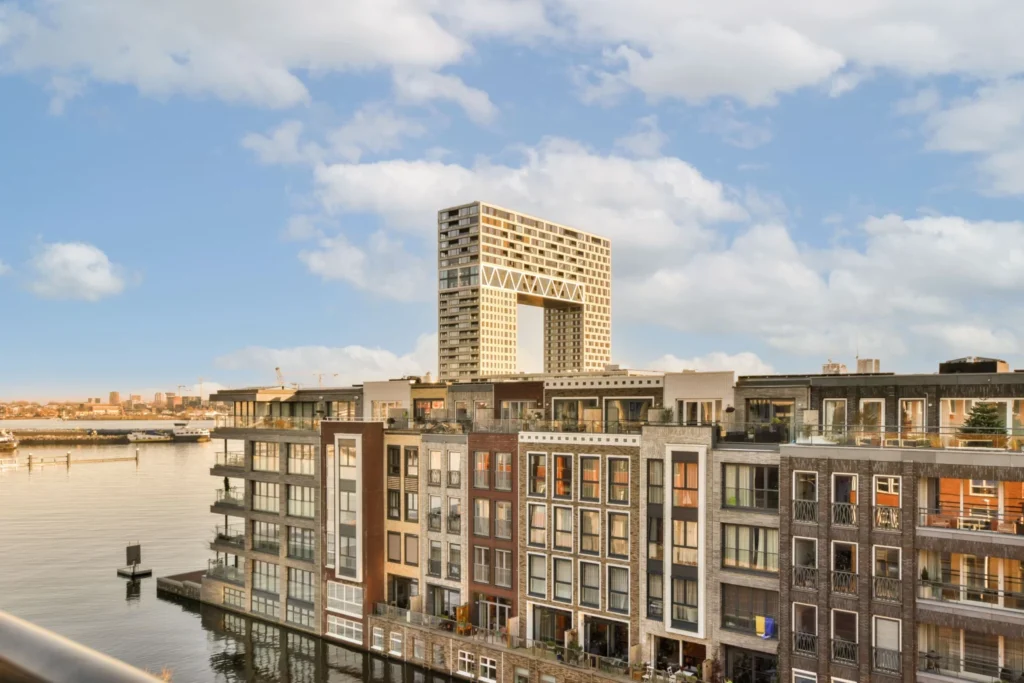
Renting in Utrecht
Utrecht is the fourth-largest city in the Netherlands and the geographic heart of the country. The Dom City combines a medieval old town with modern new-build neighbourhoods, a major university and the busiest railway station in the Netherlands. With over 376,000 residents and a growing population, demand for rental properties is high. Yet Utrecht offers a surprisingly diverse housing stock, from monumental canal houses in the city centre to energy-efficient new builds in Leidsche Rijn. This city guide helps you find the right neighbourhood and home.
No stress
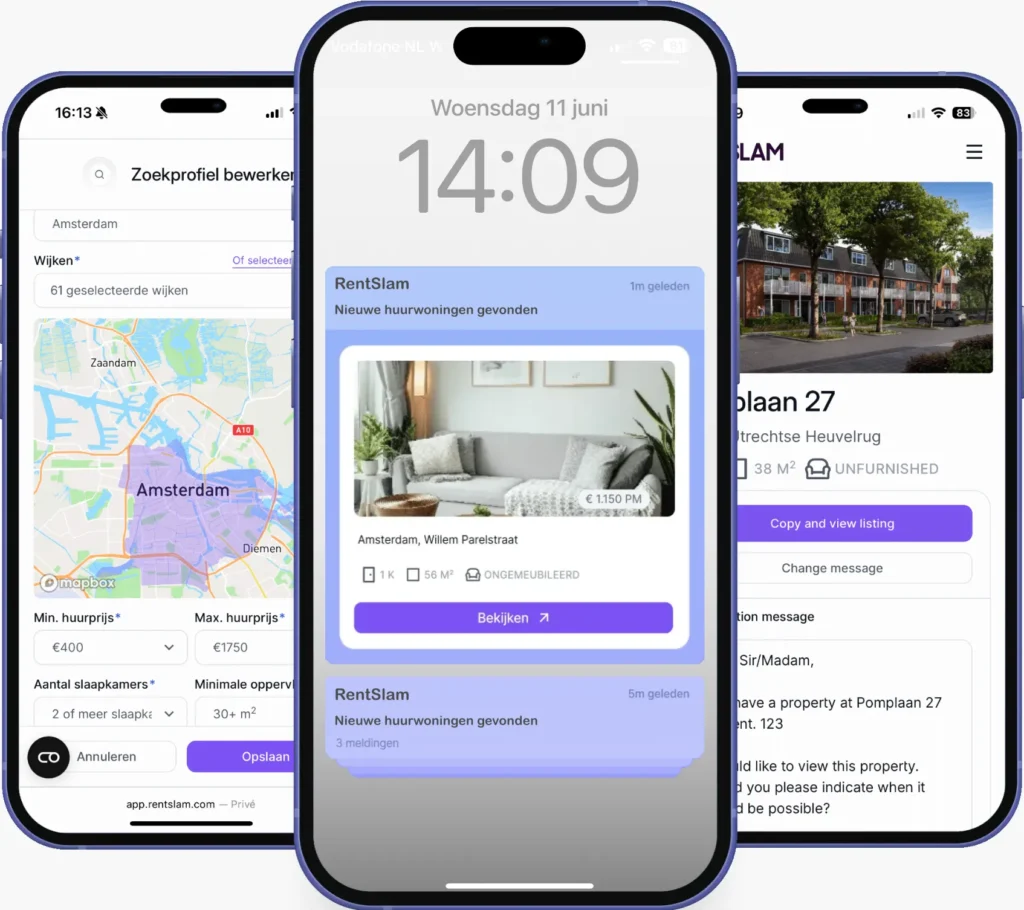
AI bots scan 1.000+ sites 24/7 so you don’t have to
Apply faster
Receive every matching rental within seconds
Rent sooner
Apply faster, get more viewings & move in sooner
No stress
AI bots scan 1.000+ sites 24/7 for you
Apply faster
Receive all matching rentals in seconds
Rent sooner
Get more viewings and move in sooner
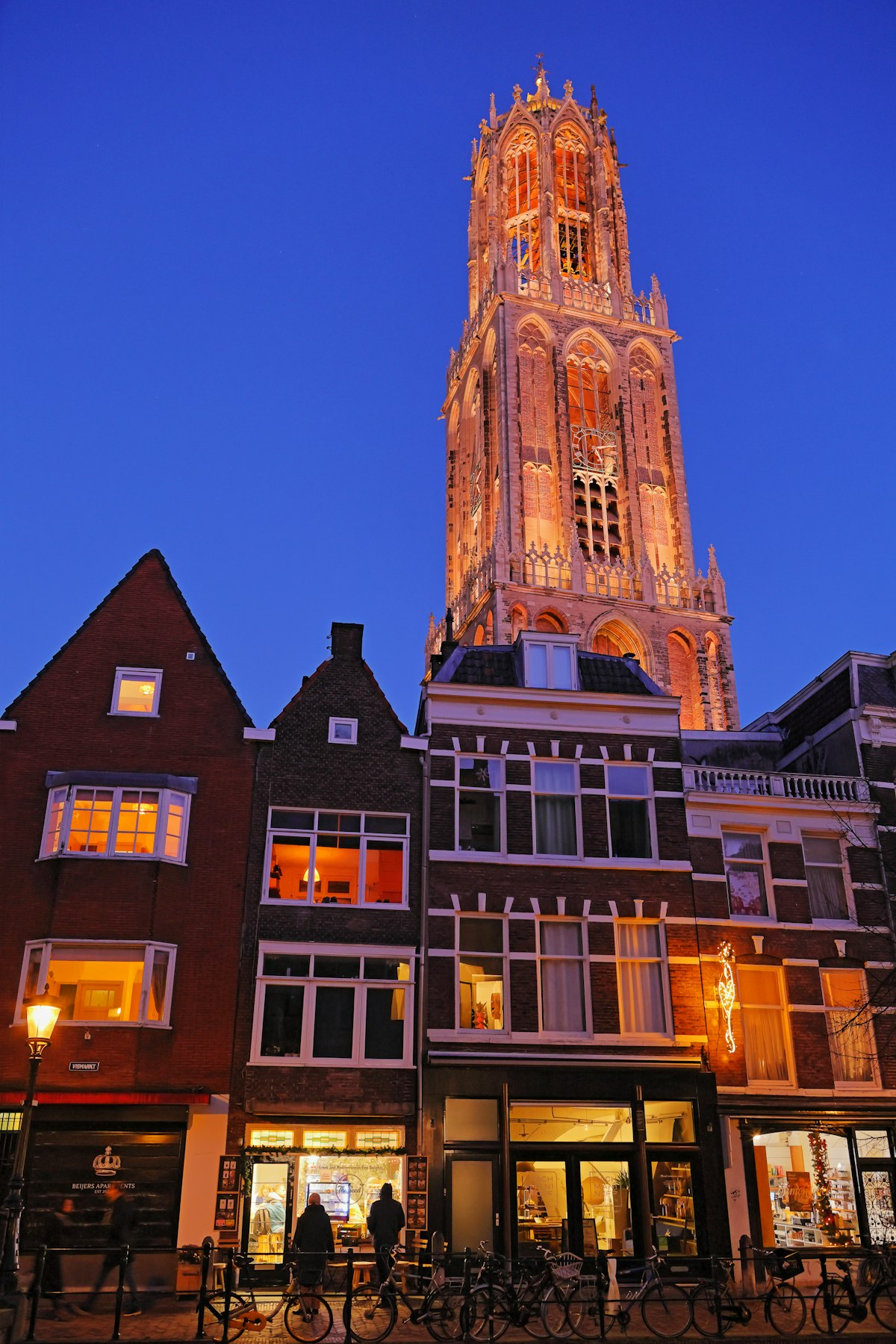
Renting a home in Utrecht
The Utrecht rental market is shaped by Utrecht University, UMC Utrecht (the university medical centre) and a large number of companies in the region. Students, healthcare professionals and knowledge workers create steady demand, particularly around the city centre and the Utrecht Science Park. At the same time, growing numbers of families and young professionals are choosing Utrecht for its central location, compact old town and outstanding cycling infrastructure. Utrecht Centraal is the largest railway station in the Netherlands, offering direct connections to every major Dutch city.
The average rent in Utrecht is EUR 21.95 per square metre (source: Pararius, Q4 2025), making it one of the most expensive rental cities in the Netherlands after Amsterdam. The supply includes both vrije sector (free-sector, above the social housing rent cap) and sociale huur (social housing) properties, but waiting lists for social housing are extremely long — over 11 years through WoningNet. In the free sector, speed is essential: popular rental properties in Utrecht are often let within a week. Fortunately, the city offers many distinct neighbourhoods, from the historic centre to modern new-build areas on the western side.
Types of rental property in Utrecht
Utrecht offers a range of rental property types. Here is an overview of what is available:
- Apartments: the most common property type in the centre and surrounding neighbourhoods. From compact two-room flats in the old town to more spacious units in Oost and West. Average EUR 1,200 – 1,800 per month.
- Houses: family homes with gardens, mainly in Vleuten-De Meern, Leidsche Rijn and Zuid. Average EUR 1,500 – 2,500 per month.
- Rooms: Utrecht has a large room market thanks to the university and universities of applied sciences. Prices range from EUR 400 to 700 per month, particularly around Utrecht Science Park and in Oost.
- Studios: self-contained units for one or two people, with rents of EUR 800 to 1,200 per month. Found in the centre and in new-build developments.
- Sociale huur (social housing): for households with an income below the threshold. Waiting lists through WoningNet are extremely long — over 11 years on average. Housing corporations such as Mitros and Bo-Ex manage most of the social housing stock.
- Vrije sector (free-sector) rentals: for middle and higher incomes. The rent is above the liberalisation threshold and landlords typically require an income of at least three times the monthly rent, plus a werkgeversverklaring (employer’s statement).
Renting in Utrecht: the 10 neighbourhoods
Utrecht is officially divided into 10 neighbourhoods (wijken), each with its own character and housing stock. From the historic centre with the Dom Tower and the canals to the modern new-build areas on the western side, the city offers diverse living options. Below you can read what each neighbourhood has to offer for renters.
Renting in Binnenstad
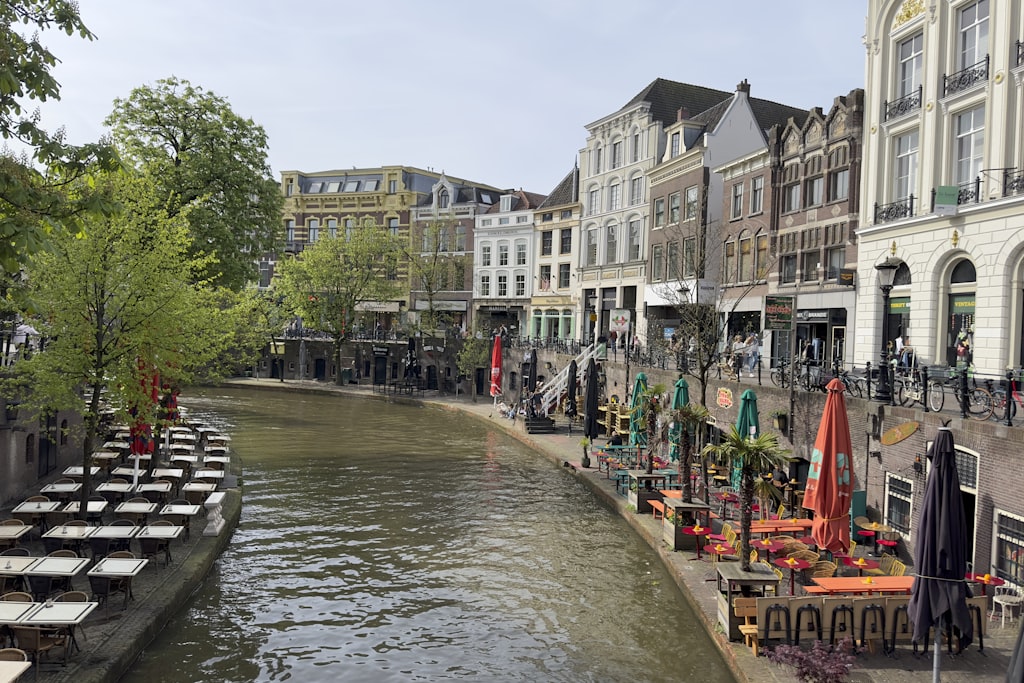
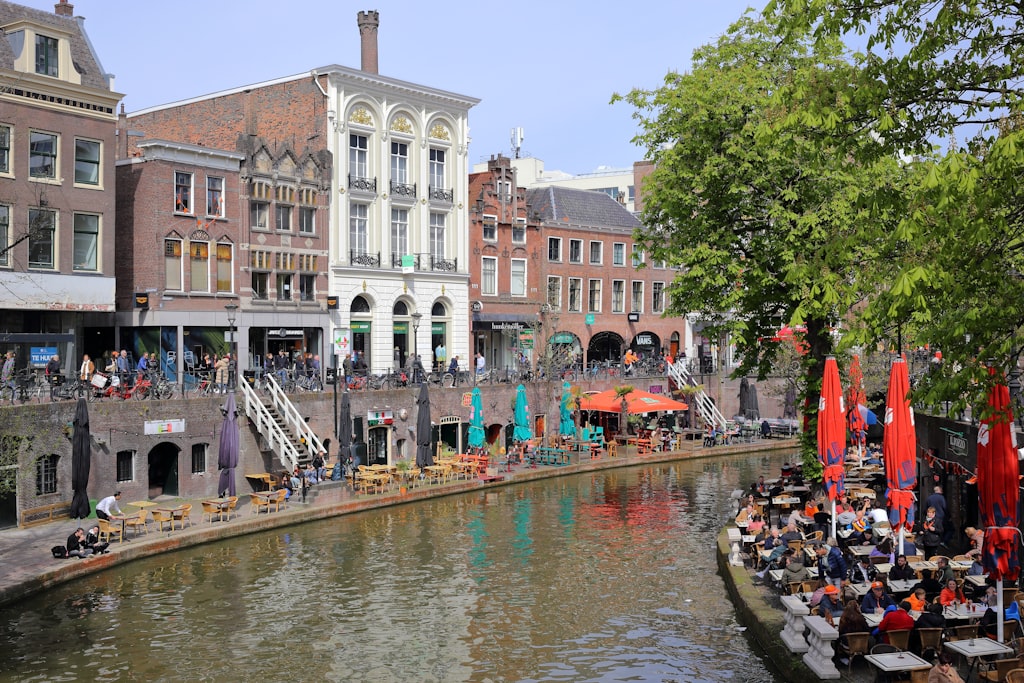
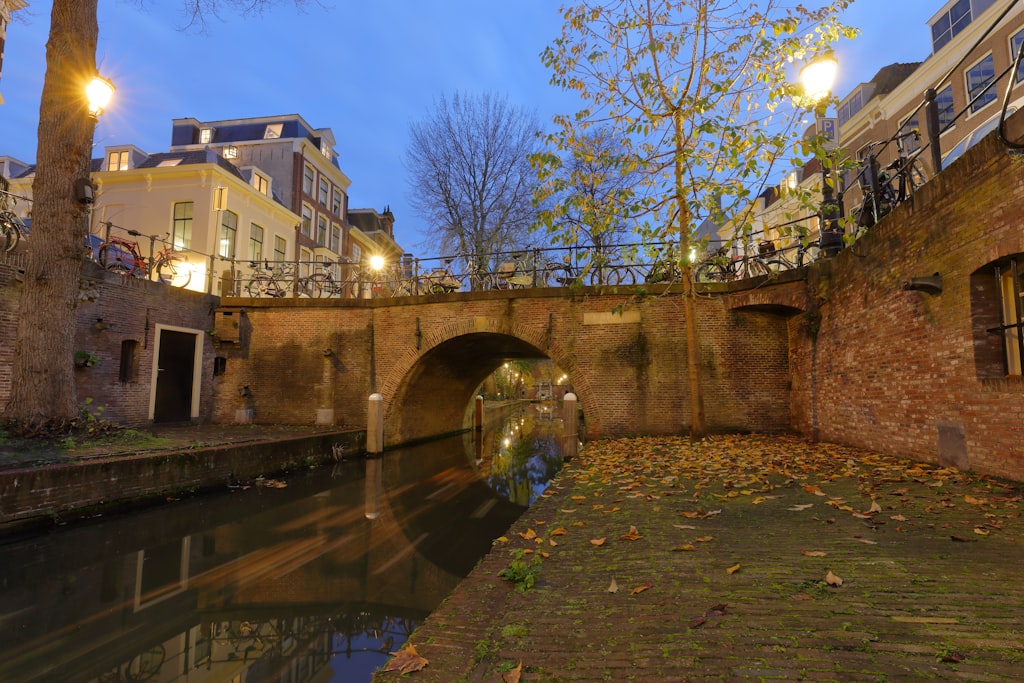
Binnenstad is the historic heart of Utrecht and the most expensive neighbourhood to rent in. The iconic Dom Tower (112 metres tall) dominates the skyline, and the Oudegracht canal runs through the centre with its unique werfkelders — wharf cellars at water level that now serve as cafes, restaurants and shops. These cellars are found nowhere else in the Netherlands and give Utrecht its distinctive character.
The housing stock consists mainly of apartments in monumental buildings along the canals and in side streets around the Domplein. The Twijnstraat, Oudegracht and Nieuwegracht are popular residential streets. Some 62% of homes in Binnenstad are rental properties, with 46% in the private sector. Competition is fierce: properties are often let within the same week. The city centre offers everything within walking distance — restaurants, shops, cinemas and theatres — but that comes at a premium.
Rent level: Highest | Best for: young professionals, couples who enjoy city life | Landmarks: Dom Tower, Oudegracht, Domplein, Twijnstraat
Renting in West
Utrecht-West is one of the most diverse and fastest-changing neighbourhoods in the city. The multicultural quarter of Lombok is the beating heart: along the Kanaalstraat and Damstraat you will find Turkish bakeries, Moroccan butchers, Surinamese toko’s and trendy coffee bars side by side. The former industrial area has been transforming for years into a popular neighbourhood for young professionals and creatives. Oog in Al, on the western side, is greener and quieter, with the Halve Maanpark along the Merwedekanaal.
The housing stock in West is varied: characterful 1930s homes in Welgelegen, social housing flats in Lombok-West and new-build apartments near the Westplein. The neighbourhood is within cycling distance of the centre and has good bus connections. Rents have risen sharply in recent years due to gentrification, but remain below the levels of Binnenstad and Noordoost. Lombok attracts a young, international crowd; Oog in Al is popular with families.
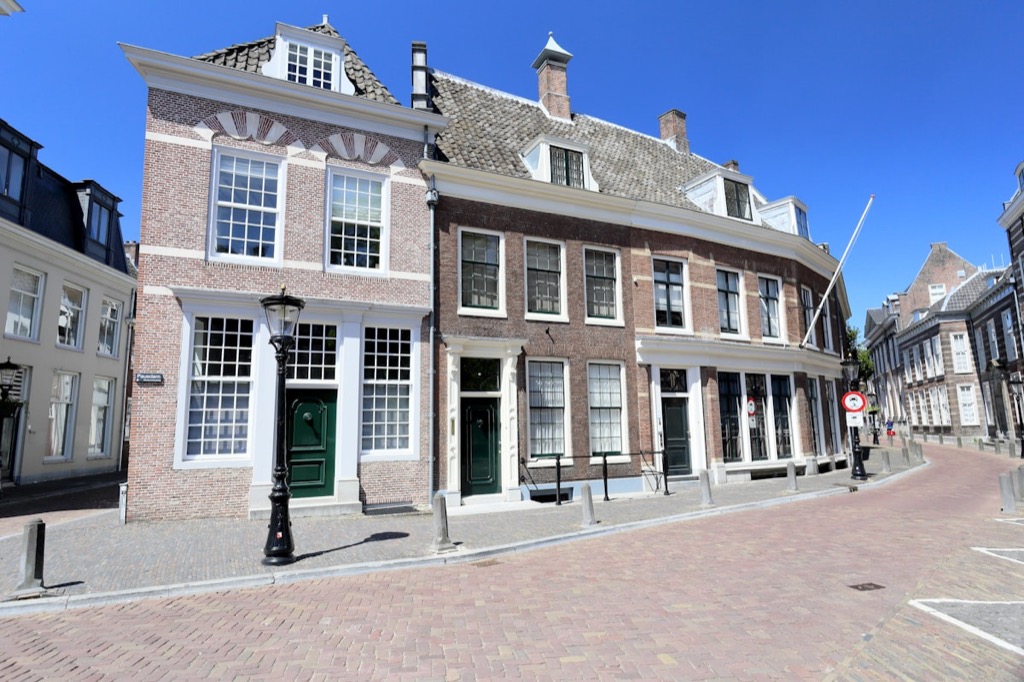
Renting in Noordwest
Utrecht-Noordwest is a neighbourhood with a strong identity, shaped by the working-class history of Zuilen. Until 1954, Zuilen was an independent municipality, and that heritage is still apparent: the neighbourhood has its own shopping street along the Amsterdamsestraatweg, a lively market and active community associations. The Prins Hendrikpark and Julianapark offer green space and room to breathe. The former Demka steel factory recalls the industrial past; the site is now being redeveloped with housing and creative workspaces.
The housing stock consists of a mix of sociale huur (social housing, particularly in Ondiep and Pijlsweerd), private rentals and owner-occupied properties. The characterful 1930s houses in Zuilen-Noord are popular with young families. The Amsterdamsestraatweg provides regular bus services into the centre, and the ride by bicycle takes about fifteen minutes. For renters seeking affordable yet characterful housing, Noordwest is one of the better options in Utrecht. Do bear in mind that parts of Zuilen can experience some traffic noise from the A2 motorway, particularly on the eastern side.
Renting in Overvecht
Overvecht is the most affordable neighbourhood in Utrecht and has the highest share of rental properties: around 80% of the housing stock is rental. The neighbourhood was built in the 1960s and 1970s as a typical post-war expansion area with apartment blocks, gallery flats and spacious green courtyards. The municipality has been investing for years in improving liveability, including renovation of social housing, new playgrounds and greening of public squares.
Surprising to many visitors is the amount of green space: the Vechtzoom, the Gagelbos and the gardens between the flats offer plenty of outdoor room. Several bus lines connect Overvecht directly to the city centre and Utrecht Science Park. The Winkelcentrum Overvecht provides daily shopping. The neighbourhood is multicultural and attracts growing numbers of starters and young families who cannot find affordable housing elsewhere in Utrecht. Overvecht does have a reputation for social challenges, though the municipality’s sustained investment is clearly paying off and the area is on an upward trajectory. The size of the properties — many three- and four-room flats — is a real advantage compared to more expensive neighbourhoods where the same budget gets you a smaller home.
Rent level: Lowest | Best for: starters, budget-conscious renters, young families | Landmarks: Vechtzoom, Gagelbos, bus lines to Science Park
Renting in Noordoost
Utrecht-Noordoost is known for its high quality of life and green character. The Tuindorp area, originally built in the 1920s as a garden village for workers, is one of the best-preserved examples of this type of urban planning in the Netherlands. The characteristic low houses with front gardens along broad avenues create a village-like atmosphere in the middle of the city. Voordorp, closer to the Utrecht Science Park, attracts many academics and researchers due to its proximity to the university.
The housing stock in Noordoost is varied: from typical Tuindorp houses (often social housing or owner-occupied properties that occasionally come onto the free market) to more spacious family homes in Wittevrouwen. The Griftpark and Wilhelminapark lie on the border with Oost and provide green space for the whole area. Noordoost scores the highest neighbourhood satisfaction rating in Utrecht. Public transport links are solid and the centre is a 10-minute cycle ride away.
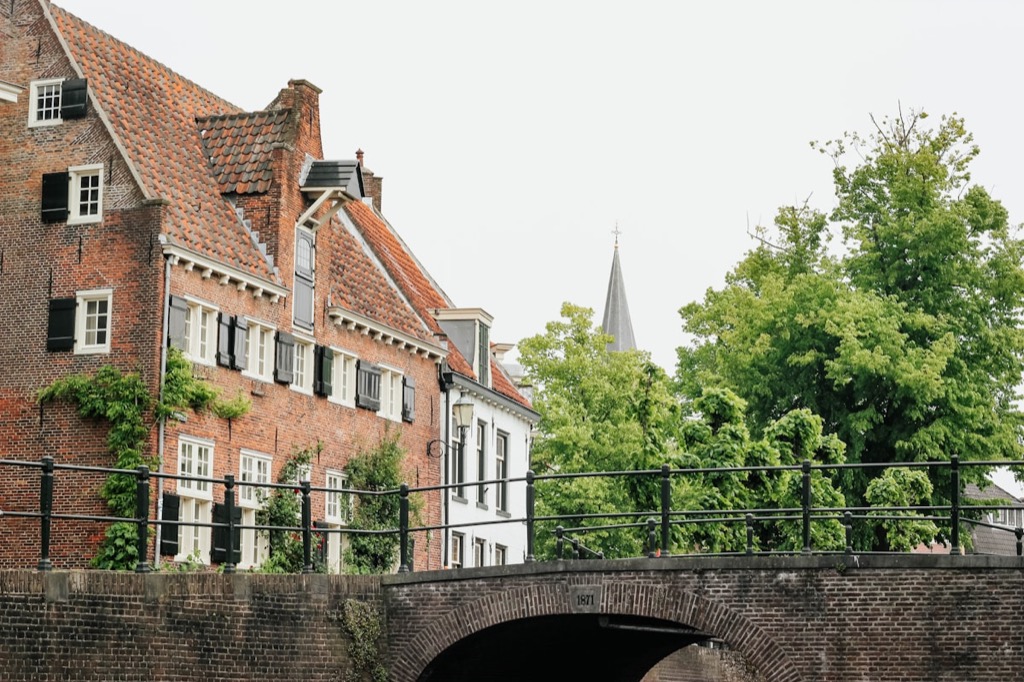
Renting in Oost
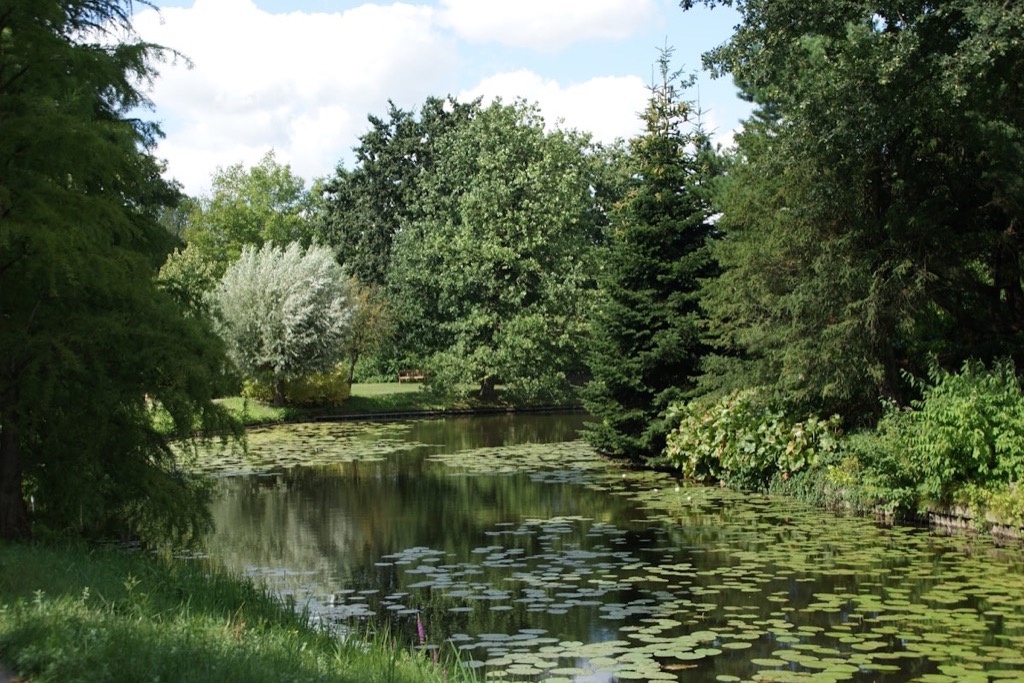
Utrecht-Oost is an elegant neighbourhood with 19th-century architecture, broad avenues and stately parks. The Maliebaan, one of the oldest boulevards in the Netherlands, forms the backbone of the neighbourhood. The Wilhelminapark is the green centrepiece, with ponds, mature trees and a bandstand. The Rietveld Schröder House (UNESCO World Heritage) on Prins Hendriklaan is an architectural gem. The area around UMC Utrecht (the university medical centre) is home to many healthcare professionals and medical specialists.
The housing stock is a mix of grand townhouses (often divided into apartments), student accommodation and more modern complexes near the hospital. The Burgemeester Reigerstraat and the Oudwijk area are popular with professionals and couples. Some 28% of residents are aged 15 to 25, giving the neighbourhood a young and lively atmosphere. The Sterrenwijk, a former working-class area, offers more affordable options within the same neighbourhood. The city centre is within walking distance.
Renting in Zuid
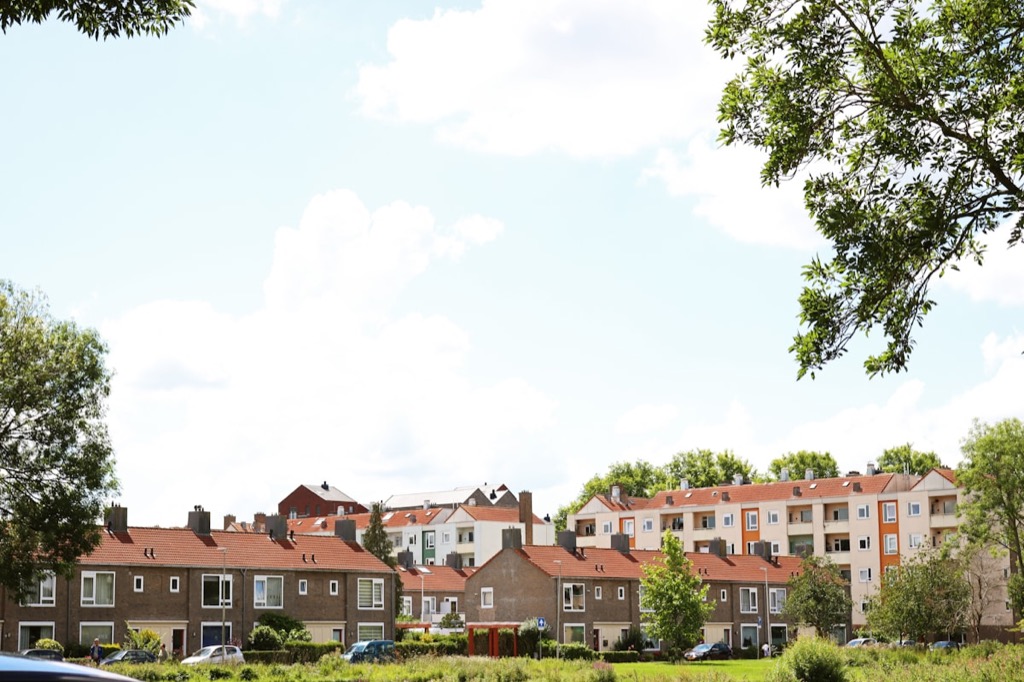
Utrecht-Zuid consists of two main areas with quite different characters. Lunetten, built in the 1970s and 1980s, is a typical bloemkoolwijk (a Dutch planning term for winding, cul-de-sac-based layouts): residential courts with winding paths, plenty of green space and play areas for children. The neighbourhood was deliberately designed with ecology in mind and has an active residents’ association. Hoograven has a longer history and a more mixed character: the Tolsteegsingel marks the border with the centre, and the area contains a blend of pre-war houses and post-war social housing.
Rotsoord, at the northern edge of Zuid, is a former industrial area developing into a creative hotspot with restaurants, studios and new-build housing. Lunetten is popular with families thanks to good primary schools, playgrounds and proximity to the Beatrixpark. If you are looking for nightlife or evening entertainment, however, you will need to head into the centre — options in Lunetten itself are limited. The A27 and A12 motorways are nearby, making Zuid also suitable for those who commute by car. Hoograven is being actively revitalised by the municipality, with investments in housing improvements and public spaces.
Rent level: Medium | Best for: families (Lunetten), starters (Hoograven) | Landmarks: Beatrixpark, Rotsoord, Tolsteegsingel
Renting in Zuidwest
Utrecht-Zuidwest has the second-highest share of rental properties among all Utrecht neighbourhoods: around 69%. Kanaleneiland, the largest sub-area, is a typical 1960s grid-plan neighbourhood with low- and high-rise blocks along broad avenues. The neighbourhood is multicultural and offers relatively spacious properties at low rents. The municipality has been investing for years in renovation, with projects such as Benelux901 (200 new mid-range rental homes) and the transformation of the Merwedekanaalzone on the northern edge of the neighbourhood.
The Merwedekanaalzone is one of the largest inner-city urban development projects in the Netherlands: approximately 6,000 new homes will be built here by 2035 in a car-free neighbourhood. Transwijk and the Rivierenwijk are smaller-scale and quieter. The Winkelcentrum Kanaleneiland provides daily shopping and the tram stop on the Beneluxlaan connects the area with the centre and Utrecht Science Park. Zuidwest is the most affordable option near the centre and attracts growing numbers of young renters who appreciate the area’s transformation.
Renting in Leidsche Rijn
Leidsche Rijn is the largest Vinex location in the Netherlands (Vinex is the Dutch term for government-designated new-build development areas) and one of the most ambitious housing projects in Europe. Since construction began around 1997, a complete urban neighbourhood has sprung up for more than 50,000 residents. The Maximapark (300 hectares) is the green heart of the neighbourhood and one of the largest urban parks in the country, with playgrounds, allotment gardens and a children’s farm. The Leidsche Rijn Centrum shopping area opened in 2018 with an innovative rooftop that serves as a public space.
The housing stock consists almost entirely of new builds: energy-efficient apartments, terraced houses and detached homes. The sub-areas of Terwijde, Veldhuizen and Parkwijk each have their own feel but share the same modern infrastructure. The neighbourhood has its own schools, sports clubs and GP surgeries. The A2 and A12 motorways are nearby, and you can cycle to the city centre in about 15 minutes. Leidsche Rijn is particularly popular with young families and expats seeking space, greenery and a new home at a slightly more moderate price than the old city. On the other hand, as a new-build area Leidsche Rijn lacks the historic character of the old centre and some residents find it can feel somewhat impersonal.
Renting in Vleuten-De Meern
Vleuten-De Meern is the westernmost neighbourhood of Utrecht and feels like a separate place entirely. Vleuten and De Meern were independent municipalities until 2001, and that village character has been preserved: narrow lanes, a village square of their own, local shops and active sports clubs. Kasteel De Haar (Castle De Haar), the largest castle in the Netherlands, lies at the edge of the neighbourhood and is a popular visitor attraction. The Haarrijnse Plas offers recreation with a city beach, surf school and walking paths.
The housing stock in Vleuten-De Meern is predominantly spacious: 71% of homes are larger than 100 square metres (compared to 37% on average in Utrecht). The share of rental properties at 31% is the lowest of all Utrecht neighbourhoods, which means available rentals are scarce. The properties are mostly family homes with gardens. The A12 motorway is nearby, and the city centre is reachable by bus or bicycle in 20-25 minutes. Vleuten-De Meern is the neighbourhood for families who prefer space and a village atmosphere over the bustle of the centre.
What does renting cost in Utrecht?
Utrecht is one of the most expensive cities to rent in the Netherlands after Amsterdam. The average rent is EUR 21.95 per square metre (source: Pararius, Q4 2025). By comparison, Amsterdam averages around EUR 26 per square metre and Rotterdam EUR 22.35. View current listings.
Average rents by property type
- Studios: EUR 800 – 1,200 per month
- Apartments (2-3 rooms): EUR 1,200 – 1,800 per month
- Family homes: EUR 1,500 – 2,500 per month
- Rooms: EUR 400 – 700 per month
Price differences by neighbourhood
- Most expensive: Binnenstad, Oost (EUR 1,400+ for apartments)
- Mid-range: West, Noordoost, Zuid, Leidsche Rijn (EUR 1,000 – 1,500)
- Most affordable: Overvecht, Zuidwest, Noordwest (EUR 750 – 1,200)
Tips for finding a rental in Utrecht
- Start your search early – Begin at least 2-3 months in advance. The Utrecht rental market is highly competitive and properties are often let within a week.
- Respond the same day – Landlords in Utrecht sometimes receive dozens of enquiries per property. The sooner you respond, the better your chance of a viewing.
- Consider neighbourhoods outside the centre – Overvecht, Zuidwest and Noordwest offer significantly lower rents with good public transport links to the centre and the Science Park.
- Prepare your documents – Have your werkgeversverklaring (employer’s statement), payslips from the past three months, ID and, if applicable, a BKR extract ready before you start viewing.
- Set a realistic budget – In addition to the base rent, factor in service charges (EUR 50-150 per month) and a deposit of typically 1-2 months’ rent.
- Look at Leidsche Rijn and Vleuten-De Meern – These neighbourhoods west of the centre offer modern, spacious homes. Thanks to Utrecht’s excellent cycling infrastructure, you can reach the centre in 15-20 minutes.
- Register with WoningNet – The waiting time for sociale huur (social housing) in Utrecht is over 11 years, but registration costs a small annual fee and builds waiting time. Even if you are currently looking in the vrije sector (free sector), it could be useful for the future.
Learn more about renting in the Netherlands
In our knowledge base you will find detailed articles about tenancy law, tips for house hunters and information about the Dutch rental market. Some popular articles:
Where are you moving to?
Experience the power of RentSlam. Choose where you want to live & create your search profiles. Before you know it, you are living in your dream home.